
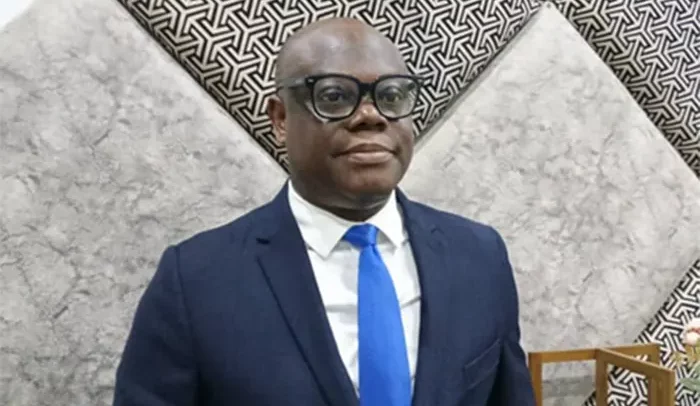
Ebenezer Ahiator
The Bureau of Ghana Languages (BGL), in collaboration with the Ministry of Tourism, Culture and Creative Arts (MoTCCA), has developed four additional Ghanaian languages for teaching in schools.
The Executive Director of the Bureau of Ghana Languages, Ebenezer Ahiator, said the four languages were Ahanta, Konkomba, Kusasi and Sisala, bringing to 16 the number of indigenous Ghanaian languages developed for teaching in schools.
Mr. Ahiator said the Bureau’s mandate was to promote, preserve and develop indigenous Ghanaian languages, adding that the latest development formed part of efforts to strengthen the teaching and preservation of local languages.
He explained that the orthographies of the four languages had been launched and were ready for use in schools, but said further steps were required before teaching could begin.
According to him, the National Council for Curriculum and Assessment (NaCCA), the Ghana Education Service (GES) and the Ministry of Education would have to put the necessary structures in place, including developing curricula and producing textbooks and supplementary teaching materials.
“Launching the orthographies is just the beginning,” he said, stressing that the development of a language required sustained efforts to ensure that it could be effectively taught and examined.
Mr. Ahiator also called for the training of teachers in the newly developed languages, warning that the absence of qualified teachers could undermine efforts to introduce them into schools.
He said the teachers would also be needed to support the eventual examination of the languages, noting that examiners would have to be available if the subjects were to be formally assessed.
The Executive Director said the development of the four languages had involved traditional rulers, academics and other stakeholders within the respective communities.
He said the initiative had generated excitement among members of the communities because it would give pupils an opportunity to study their own languages rather than being limited to other indigenous languages.
Mr. Ahiator disclosed that the Bureau intended to develop three more indigenous Ghanaian languages before the end of the year, despite challenges confronting the institution.
He said the Bureau remained committed to ensuring that Ghanaian indigenous languages continued to grow, were written and became more widely recognised.
On calls for one Ghanaian language to be adopted as an official or national language, Mr. Ahiator said such a decision could only be taken by Ghanaians through their representatives and policymakers.
He said the Bureau had the mandate to advise government on language matters but did not have the authority to make a policy pronouncement on which language should become the official language of the state.
Mr. Ahiator stressed that any decision on the issue should be based on national consensus, data and careful consideration of models from other countries.
He cautioned against imposing a particular language on Ghanaians, saying the issue required broad consultation and consensus.
The Executive Director also dismissed claims on social media that he harboured hatred for particular ethnic groups following his comments on the national language debate.
He said his position was not motivated by ethnic considerations and maintained that any decision concerning Ghana’s languages should be guided by data and what Ghanaians wanted.
By Ernest Kofi Adu