
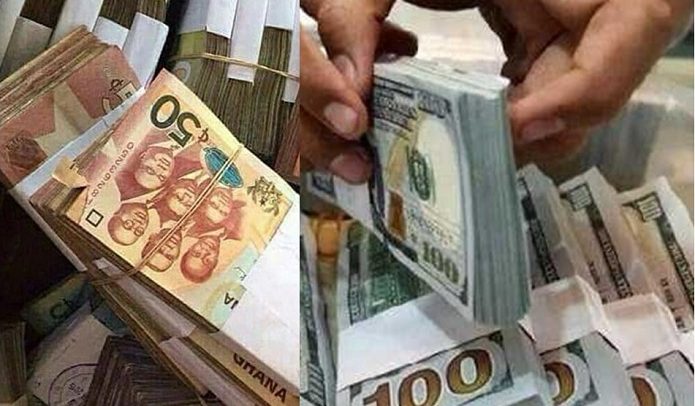
The Bank of Ghana (BoG) has downplayed concerns over the recent depreciation of the cedi, insisting that the currency’s decline in January 2026 does not pose a risk to the country’s overall macroeconomic stability.
The reassurance follows data showing that the cedi lost about 4.0 percent of its value against the US dollar during the first month of the year.
Addressing developments in the foreign exchange market after the Monetary Policy Committee (MPC) meeting, the Governor of the Bank of Ghana, Dr. Johnson Asiama, said the central bank was not alarmed by the currency’s short term movement.
He explained that the underlying fundamentals of the economy remain strong and that current exchange rate trends are not expected to undermine price stability or broader economic performance.
“The four percent depreciation of the cedi in January 2026 is not a worry,” Dr. Asiama said, stressing the Bank’s confidence in its existing policy framework.
The Governor reiterated the central bank’s commitment to deploying a full range of monetary policy tools to manage liquidity conditions and reinforce inflation expectations.
He noted that open market operations continue to play a key role in ensuring orderly market functioning and anchoring price stability.
Dr. Asiama’s comments came after the latest MPC meeting, during which policymakers maintained a cautious stance on macroeconomic developments and reaffirmed their readiness to act should conditions require intervention.
Despite the short term pressures on the local currency, the Bank of Ghana said it remains focused on sustaining price stability while supporting overall economic growth.
A Business Report