
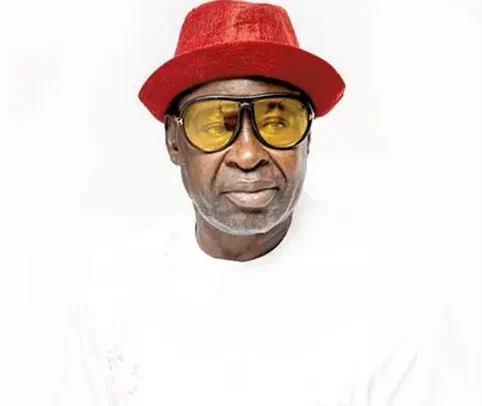
Amakye Dede
Ghana’s iconic Highlife music has received global recognition after being inscribed by United Nations Educational, Scientific and Cultural Organisation, (UNESCO) as part of the world’s intangible cultural heritage.
The recognition celebrates Highlife as a vital expression of Ghana’s cultural identity, highlighting its rich history, social significance and enduring influence across West Africa and beyond.
Developed in the early 20th Century, Highlife blends traditional rhythms with Western instruments, creating a sound that has shaped generations of musicians.
UNESCO praised Highlife for its role in storytelling, community bonding and the preservation of indigenous values, noting that the genre is commonly performed at festivals, weddings, funerals and other important social gatherings.
Cultural stakeholders have welcomed the recognition, describing it as a major boost for Ghana’s creative industry and a step toward safeguarding the genre for future generations. Musicians and historians say the honour will help promote Highlife internationally while encouraging renewed interest among young artistes.
Highlife has produced legendary figures such as E.T. Mensah, Osibisa, Amakye Dede, Daddy Lumba, Nana Acheampong, Nana Ampedu, JA Adofo, Pat Thomas, etc. and continues to influence modern Ghanaian music styles, including hiplife and afrobeats.
The UNESCO recognition places Highlife among globally treasured cultural practices, reinforcing Ghana’s reputation as a powerhouse of African music and heritage.