
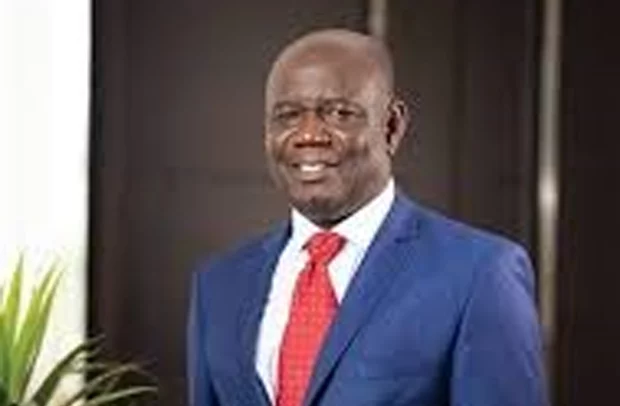
Paul Adjei, Administrator of GETFUND
The Ghana Education Trust Fund (GETFund) has strongly denied allegations that it sells foreign scholarships, describing the claims as baseless and unsubstantiated.
In a statement issued on Wednesday, February 4, 2026, GETFund said its attention had been drawn to comments made by Mr. Kofi Ofosu Nkansah, former Chief Executive Officer of the National Entrepreneurship and Innovation Plan (NEIP), during a panel discussion on Sompa FM/TV.
GETFund stressed that its scholarship scheme operates under strict, transparent and merit-based guidelines, adding that only five per cent of the Fund’s annual allocation is used for scholarships.
“We wish to state emphatically that GETFund scholarships are awarded through a very stringent and transparent process. All beneficiaries are selected purely on merit,” the statement said.
The Fund categorically rejected claims that any of its scholarships, local or foreign, are being sold, noting that the allegations were not backed by any evidence.
“GETFund refutes any spurious allegations that scholarships are being sold. Such claims remain unsubstantiated,” the statement added.
GETFund assured students and stakeholders in the education sector that its scholarship programmes remain fair, credible and accessible to deserving applicants.
The Fund also urged the public to refrain from making unfounded accusations that could damage the reputation of important state institutions, while welcoming constructive dialogue to address any genuine concerns.
The denial follows a directive from the Presidency ordering an immediate investigation into allegations that Ghana’s overseas scholarship system may have been compromised.
In a statement signed by the Secretary to the President, Dr. Callistus Mahama, the National Intelligence Bureau (NIB) was tasked to probe the claims, which the Presidency described as a matter of “grave public concern.”
According to the statement, the President considers the allegation serious, as it touches directly on the government’s commitment to transparency, integrity and equal access to educational opportunities.
By Vera Owusu Sarpong