
There is a noticeable increase in the cost of living in the country, food items especially becoming unusually expensive in spite of the positive economic figures being posted.
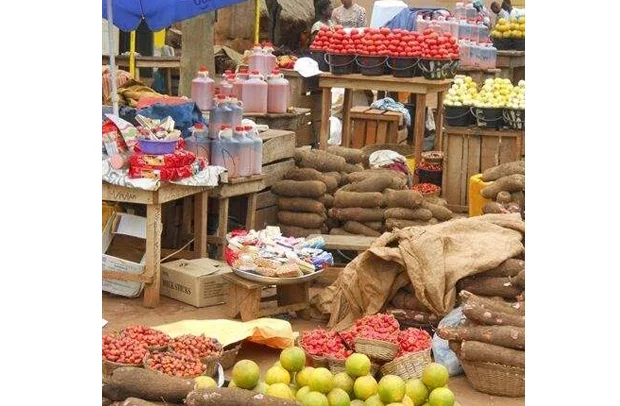
Tomatoes has especially become too expensive and prompting concerns among women who frequent markets to buy this most important and patronised vegetable.
Painfully, tomatoes at this time of the year are imported from Burkina Faso, a country which shares similar weather patterns as our northern zone.
Traders frequent this neighbouring country to buy tomatoes for sale in Ghana. It is a matter of concern that Ghana, after so many irrigation initiatives since independence, has failed to get it right and continues to rely on Burkina Faso for tomatoes and sometimes lettuce from Togo.
The foregoing brings to light very serious matters about food security in the country.
Women engaged in its sales have claimed that, at this time of the year, when the local ones are in short supply, they travel to Burkina Faso to buy them.
According to them, the Burkinabe authorities have introduced measures to protect their roads. Trucks from Ghana should not exceed a certain tonnage. By this directive, which is strictly enforced, smaller trucks are now being used for tomato haulage from Burkina to Ghana. This has translated into a higher cost for the commodity.
Food for thought. Being a seasonal commodity, an all-year production can only be ensured through enhanced and sustained irrigation. Is our situation so bad that we are unable to undertake massive irrigation to ensure all-year-round production of food commodities?
In the past, various initiatives have been rolled out in this regard, but from the realities on the ground, it can be concluded that we have not succeeded in arresting the seasonal shortage of the commodity.
Our food security situation has been rendered insecure, leaving our flanks vulnerable. A country that is not food secure is facing a national security challenge.
Now that Burkinabe authorities have restricted the kind of trucks they will allow into their country, we must rethink the direction of our food production.
The tonnage restriction in Burkina Faso is intended to protect their roads, even when we have allowed them to bring in all manner of trucks with varied axle details to destroy our highways, spanning our frontiers in the north to Tema Harbour.
Our axle load management regime has been riddled with corruption, giving Burkinabe trucks the leeway to destroy our roads.
Shouldn’t we too retaliate by restricting the kind of Burkinabe trucks that we allow to ply our highways as a means of protecting them?