
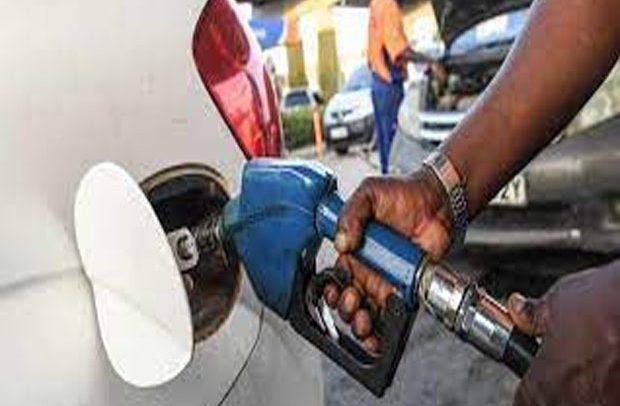
Petroleum product prices are expected to edge up slightly from February 16, 2026, as currency pressures and rising global oil prices push up import costs, according to the latest pricing outlook by the Chamber of Oil Marketing Companies (COMAC).
The projections indicate that this will be the second consecutive upward adjustment in fuel prices to reflect the impact of the currency’s depreciation and higher international crude and refined product prices.
Since the beginning of the year, the Ghana Cedi has weakened against the US dollar amid strong demand from businesses restocking inventories and multinational firms making foreign currency transfers to meet dividend obligations.
Data released by the Bank of Ghana show the cedi depreciated by about four percent in January 2026, while some commercial bank data put the decline slightly higher at 4.16 percent.
Projected pump prices
COMAC’s outlook suggests petrol could rise by up to 1.97 percent, pushing the pump price to around GH¢11.97 per litre. Diesel is projected to increase by 2.73 percent to about GH¢13.09 per litre, while Liquefied Petroleum Gas (LPG) may go up by 3.26 percent to roughly GH¢13.93 per kilogram.
However, the Chamber noted that an oversupply of refined petroleum products on the local market could cushion the impact. This, it said, may result in only marginal adjustments at the pumps during the new pricing window.
Drivers of the increase
According to COMAC, the anticipated hikes are largely tied to exchange rate losses recorded over the past two weeks and firming prices on the international oil market.
During the February 1, 2026 pricing window, the Ghana Cedi depreciated from GH¢10.90 to GH¢10.98 against the dollar, representing what COMAC described as a 0.77 drop in value.
On the global front, crude oil prices have climbed by more than five percent and are trading close to 70 dollars per barrel. Refined products have also recorded notable increases, with petrol rising by 4.17 percent, gas oil by 5.57 percent and LPG by 6.18 percent.
Despite these pressures, COMAC disclosed that it has received assurances from the Bank of Ghana that the central bank “remains focused on maintaining price stability while supporting economic growth.”
Some industry analysts say competition within the downstream petroleum sector could temper the projected increases.
With pricing directly influencing sales volumes, profitability and market share, some oil marketing companies are expected to hold off on immediate adjustments while monitoring the response of larger players.
Sources within the industry suggest a number of companies may delay revising their pump prices from February 16, opting instead to assess broader market reactions before implementing changes.
New price floors announced
Meanwhile, COMAC has reminded oil marketing companies (OMCs) and LPG marketing companies (LPGMCs) to comply strictly with the minimum ex-pump price floors set under the Petroleum Products Pricing Guidelines.
In a notice issued by the National Petroleum Authority, the minimum prices effective February 16, 2026, said petrol (PMS) should not be sold below GH¢10.24 per litre; diesel (AGO) at GH¢11.34 per litre; LPG at GH¢9.43 per kilogram; Marine Gas Oil (MGO Local) at GH¢10.45 per litre; and kerosene at GH¢9.21 per litre.
The Chamber explained that these price floors exclude premiums charged by International Oil Trading Companies, the operating margins of Bulk Import, Distribution and Export Companies (BIDECs), and the marketers’ and dealers’ margins of OMCs and LPGMCs.
These components, it explained, will be determined independently in line with the pricing guidelines.
COMAC appealed to industry players to adhere strictly to the established price floors, stressing that compliance is essential to preserving market stability, safeguarding consumers and ensuring fairness within the sector.
A Business Desk Report