
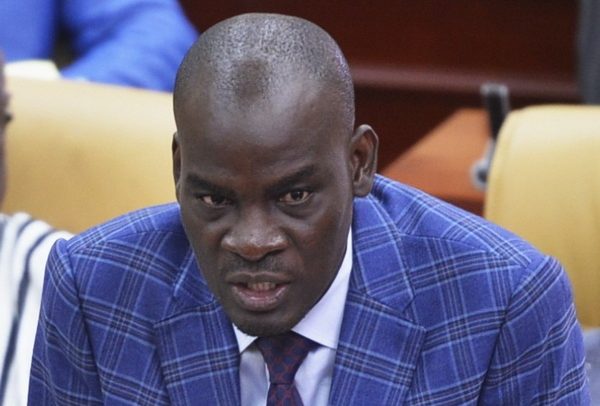
Haruna Iddrisu
The Board of the World Bank has approved a financing package of US$300 million to support the Government of Ghana in implementing the Secondary Education Transformation for Access, Relevance and Results for Jobs (STARR-J) Project.
A statement issued by the Ministry of Education on Tuesday, June 16, 2026, said the STARR-J Project represents a major intervention aimed at strengthening Ghana’s secondary education system.
It said the support will also expand access, improve quality and relevance as well as address critical infrastructure deficits arising from the expansion of Free Senior High School (SHS) education.
“A key objective of the project is to support the Government’s commitment to ending the double-track system in Senior High Schools through targeted investments in educational infrastructure, improved learning conditions, and enhanced system efficiency, the Government expects that by 2027, no secondary school in Ghana will be operating under the double-track system,” it stated.
Speaking on the significance of the approval, Minister for Education, Haruna Iddrisu, said the project is a major investment in Ghana’s growing youthful population and a strategic contribution to the country’s long-term human development global competitiveness.
“It will help expand learning opportunities, improve school conditions, better align secondary education with the skills demanded by the labour market, and, more importantly, respond to the infrastructure deficit associated with expanded access to Free Secondary Education,” the minister stated.
The Ministry of Education also expressed appreciation to the World Bank Country Director, Robert Taliercio O’Brien, the World Bank Education team, and the Ministry of Finance for their continued support towards the transformation of the country’s education sector.
“The STARR-J Project reaffirms the Government’s commitment to ensuring equitable access to quality secondary education and equipping Ghanaian students with the knowledge and skills required to thrive in an increasingly competitive global economy,” it added.
By Ebenezer K. Amponsah