
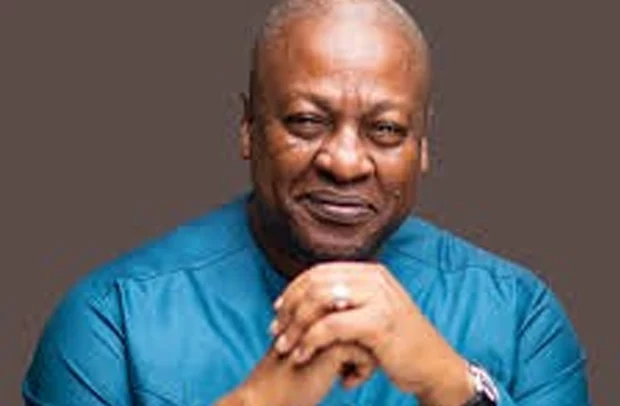
President John Dramani Mahama
President John Dramani Mahama has been ranked the 5th most powerful person in the world of development and change-making by international development publication Devex.
The ranking recognises President Mahama’s leadership in pushing the Accra Reset agenda, which calls for a new approach to African development beyond traditional aid dependency.
The honour places Mr. Mahama among a select group of global figures influencing development at a time when international aid, financing and global cooperation are undergoing major changes.
According to Devex, President Mahama has become a strong voice for a new deal for Africa, advocating reforms in debt relief, trade and climate finance while urging African countries to renegotiate their place in the global economic order.
A major factor behind the recognition is the Accra Reset initiative. In August last year, President Mahama brought together African leaders, policymakers and global health experts in Accra, where a new vision for African health sovereignty based on national ownership and fair global cooperation was launched.
The Accra Reset was later expanded beyond health during the United Nations General Assembly in September, turning it into a broader development agenda with global relevance.
Devex described the Accra Reset as a bold move to end “development-as-usual,” especially in response to cuts in US foreign aid, and noted that President Mahama has been a hands-on advocate of the initiative, with former Nigerian President Olusegun Obasanjo serving as a key adviser.
President Mahama, who assumed office in January 2025 for his second term, previously served as President from 2012 to 2017, Vice President, Member of Parliament and Minister. He was also the first co-chair of the United Nations Advocacy Group on the Sustainable Development Goals (SDGs).
The Devex Power 50 list focuses on individuals reshaping global development in a post-aid era, including leaders in government, philanthropy, development finance, artificial intelligence and global health.
By Vera Owusu Sarpong