
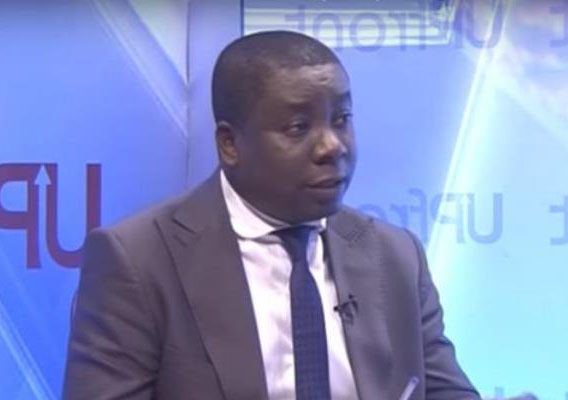
Dr. Gideon Boako
The Member of Parliament (MP) for Tano North and Deputy Ranking Member of Parliament’s Finance Committee, Dr. Gideon Boako, has said Ghana’s economic recovery cannot be considered complete unless improvements in macroeconomic indicators translate into better living conditions for ordinary citizens.
Dr. Boako said economic performance should ultimately be judged by the experiences of unemployed graduates, traders, farmers, contractors and households rather than solely by figures such as inflation, fiscal balances and economic growth.
He argued that citizens are more concerned about access to jobs, functioning businesses, good roads and the ability to meet their daily needs than positive statistics presented in government reports.
“Ultimately, citizens do not vote for economic statistics. They vote for better lives,” he said, and added that the real verdict on the economy would be determined by “the unemployed graduate searching for work, the trader trying to keep her business alive, the contractor waiting to be paid, the farmer transporting produce over poor roads and every Ghanaian family still waiting for the promise of economic recovery to arrive at their doorstep.”
He said Ghana needed to move beyond headline economic improvements towards broad-based and inclusive growth that creates opportunities and raises living standards.
According to him, sustainable economic stability should provide the foundation for stronger productivity, employment and improved livelihoods rather than become an achievement in itself.
“Until that happens, growth without visible progress will remain an incomplete success,” Dr. Boako said, stressing that Ghana could not achieve broad-based, shared and inclusive growth without strong and sustainable economic stability.
The MP criticised what he describes as an excessive focus on macroeconomic indicators, arguing that economic growth must ultimately translate into jobs, higher incomes and improved living standards.
According to him, the greatest test of the government’s economic policies is whether young people can secure decent employment and whether businesses, farmers and households are experiencing meaningful improvements.
He said a young graduate would gain little from lower inflation or a reduced fiscal deficit if there was no job available after completing university.
“A young graduate does not celebrate a lower fiscal deficit if there is no job waiting after university. A farmer does not benefit from higher GDP figures if poor roads continue to prevent produce from reaching markets,” he stated.
Dr. Boako also argued that traders and businesses judge the economy by the purchasing power of consumers, access to credit and the ability to sustain operations, rather than by fiscal indicators alone. He said contractors waiting to be paid and farmers struggling with poor roads similarly feel little benefit from fiscal surpluses that do not translate into actual economic activity.
He said Ghana had achieved periods of macroeconomic stability in the past. Still, the country’s recurring economic challenges showed that stability must be converted into productive investment, industrialisation, employment and rising incomes.
“Macroeconomic stability should never become the final destination. It should be the platform from which governments build prosperity,” he stressed.
Dr. Boako said the real measure of the current recovery would therefore be whether factories expand production, agriculture becomes more productive, exports diversify, infrastructure improves and young Ghanaians find meaningful employment.