
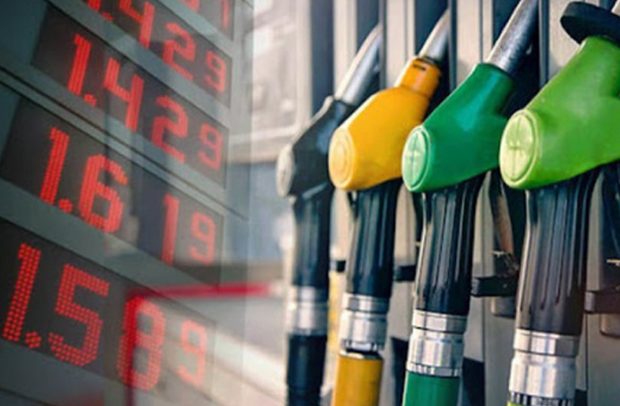
Consumers of diesel could face another increase at the pumps in the second pricing window of August, with prices projected to rise by about 1.39 per cent.
Petrol and liquefied petroleum gas (LPG), on the other hand, are expected to record price reductions of approximately 2.90 percent and 0.93 percent, respectively.
The projections are contained in the latest market assessment by the Chamber of Oil Marketing Companies (COMAC), which said developments on the international oil market and geopolitical tensions were responsible for the divergent price movements.
According to the Chamber, uncertainty over the US-Iran dispute, coupled with an increase in global crude oil prices, has placed renewed pressure on petroleum product prices, particularly diesel.
It said the government’s temporary intervention to cushion diesel consumers was expected to continue limiting the extent of any increase at the pumps.
COMAC further indicated that the recent strengthening of the Ghana cedi against the US dollar could help moderate petroleum prices in subsequent pricing windows, provided the appreciation is sustained.
On the international market, the average price of crude oil rose by 2.02 percent to $90.41 per barrel in mid-August.
The increase was attributed largely to heightened geopolitical tensions and concerns about possible disruptions to oil supplies through the Strait of Hormuz, a key global shipping route.
The movement in refined petroleum products was, however, mixed. International diesel prices climbed by 2.86 per cent, while petrol and LPG prices fell by 5.46 percent and 2.54 percent, respectively.
The pressure on diesel was heightened by attacks on oil infrastructure, including a Ukrainian strike on a Russian refinery and a Houthi attack on a Saudi Arabian refining facility.
Cedi Impact
Developments on the foreign exchange market have also influenced the outlook for local petroleum prices.
The cedi lost 1.20 per cent of its value against the US dollar, moving to GH¢11.80 to the dollar between July 27 and August 11, based on average bank rates.
The currency subsequently recovered some ground, with the Bank of Ghana quoting the dollar at GH¢10.98 on August 14.
COMAC said continued improvement in the supply of foreign exchange could result in further cedi appreciation, potentially reducing the cost of petroleum imports in future pricing windows.
The expected movements are reflected in the latest price floors announced by the National Petroleum Authority (NPA).
The NPA reduced the price floor for petrol by GH¢0.61 per litre, from GH¢14.53 to GH¢13.92.
The floor for LPG was also reduced by GH¢0.08 per kilogramme, from GH¢11.06 to GH¢10.98.
Diesel recorded an increase, with its price floor moving up by GH¢0.22 per litre, from GH¢14.97 to GH¢15.19.
The changes mean motorists using petrol and households relying on LPG could see some relief, while businesses and motorists dependent on diesel may have to contend with increased fuel costs.
The NPA price floors, however, do not automatically determine the prices consumers will pay at individual filling stations, since Oil Marketing Companies factor in their respective margins and other applicable charges.
The latest adjustment comes after the government temporarily reduced the regulatory margin on diesel by GH¢2 per litre.
That intervention brought the diesel price floor down from GH¢16.97 to GH¢14.97 during the first pricing window of August, offering temporary relief to diesel consumers.
A Business Desk Report