
A new tax law rushed through Parliament without industry consultation is set to trigger a major shock across Ghana’s beverage and agricultural sectors, with analysts warning of mass job losses, a surge in illicit trade and a devastating blow to local farmers.
The Excise Act, 2026, signed into law on July 26, 2026, was heralded by government as a tool to plug revenue leakages, promote local production and boost revenues.
But industry insiders and economic analysts say it will lead to a 25 percent hike in beer and stout prices, collapse local raw material demand and push consumers to unregulated, tax-free black market alcohol.
Farmers in the Crosshairs
Industry experts say the human cost is expected to be staggering. Experts estimate over 5,000 direct jobs will be lost across the beer value chain, from farming and manufacturing to distribution and retail.
Even more devastating is the impact on agriculture. More than 80,000 cassava, maize and sorghum farmers stand to lose their primary buyers, the breweries.
Specialised sorghum projects launched by Ghana’s leading brewers in partnership with international development agencies to support an additional 30,000 smallholder farmers now face an uncertain future.
Coming on the heels of the recent “haircut” on cocoa farmer incomes, the new excise regime represents, in the words of one analyst, “an unprecedented attack on Ghanaian farmers,” a move that directly undermines government’s own agenda of promoting a 24-hour economy and rural job creation.
Punishing Local Production
Perhaps the most perverse twist is that the Act penalises local investment while favouring imports.
By adjusting the Local Raw Material (LRM) sliding-scale tax, the law effectively rewards breweries that import finished products while punishing those that have invested heavily in local sourcing and agro-processing.
This creates a perverse incentive that discourages local production, shrinks the domestic agricultural market and ultimately weakens the very value chain government claims to support.
A Rush Job with No Consultation
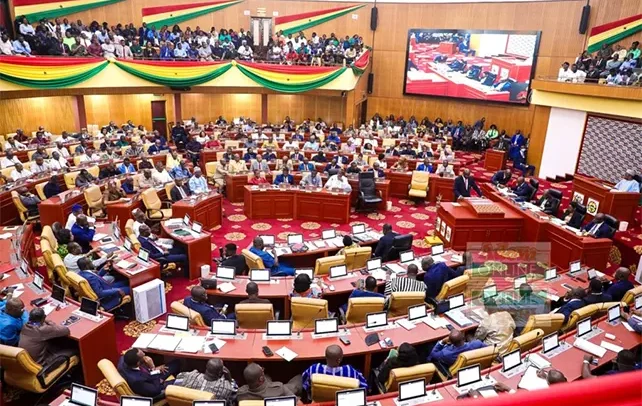
Stakeholders are furious that the Bill, laid before Parliament on July 23 by Deputy Finance Minister Thomas Nyarko Ampem, was rushed through and enacted within days without prior consultation with industry players. The legislation caught the beverage sector entirely off guard.
Illicit Trade Time Bomb
Government’s stated aim of curbing tax leakages may prove counterproductive. By pushing legal beer prices beyond the reach of many consumers, the Act will drive Ghanaians toward cheaper, unregulated illicit alcohol.
This black market trade not only poses serious health risks but also yields no revenue for the state, a lose-lose outcome for the economy, public health and safety, analysts warn.
A Daily Guide Report