
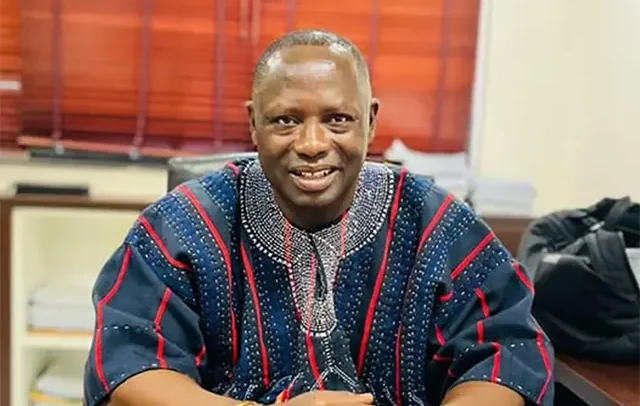
Emmanuel Armah Kofi-Buah
A retired miner, Samuel Kwaku Mensah, has pushed back against calls for the government to reverse the revocation of Adamus Resources Limited’s mining lease because the company is Ghanaian-owned.
Mr. Mensah says there is nothing wrong with demanding that Ghanaian businesses receive support, because local companies create jobs, pay taxes and provide livelihoods for thousands of people.
However, the government has a responsibility to ensure that local companies are not shielded from the law when it is violated.
In an article submitted to DAILY GUIDE, Mr. Mensah argued that while indigenous companies deserve government support to grow local participation in mining, they must still play by the rules.
“If we are arresting individuals for galamsey, then companies mining on a much larger scale must face the same standards,” he wrote.
The Adamus debate should therefore not be reduced to whether the company is Ghanaian owned or foreign-owned. The more important question, he said, is whether the company complied with the laws and conditions governing its mining operations.
Why Government Pulled the Plug
Last week, Lands and Natural Resources Minister, Emmanuel Armah-Kofi Buah, upheld the revocation of Adamus’ Akango, Salman and Nkroful leases.
The decision followed a final report by an Inter-Ministerial Committee that reviewed the company’s petition.
The trouble started in April 2026 when the Minerals Commission recommended the revocation. Inspections by the Commission’s Inspectorate Division found what it called “sustained and material breaches” of the Minerals and Mining Act, 2006 (Act 703).
Adamus allegedly gave portions of its concessions to foreign nationals for independent mining without Ministerial approval, breaching Section 14(1) of Act 703.
Mining operations were done without an Operating Permit from the Chief Inspector of Mines, contrary to L.I. 2176.
The company also failed to secure Environmental Protection Authority (EPA) and Forestry Commission approvals before working in assigned areas, in breach of Section 18 of Act 703.
Adamus was accused of withholding information and giving misleading data to the Interim Management Committee set up to oversee the mine.
The Money Trail
The review also uncovered major financial defaults. An amount of US$2.56 million in unpaid mineral rights fees, GH¢86.8 million in unpaid royalties, and GH¢290.5 million in tax arrears.
Unexplained variances in gold export figures including US$224 million transferred to related parties abroad between 2020 and 2024, and environmental bonds only partially fulfilled.
For Mr. Mensah, the case is about principle. Government’s anti-galamsey campaign has targeted small-scale illegal miners.
He says large companies cannot be treated differently.
“Ghanaian ownership is important. But it cannot mean immunity,” he stated.
With the Minister’s final determination, the chapter on Adamus’ leases is now closed.
The bigger question, however, remains: how government balances support for indigenous miners with strict enforcement of mining laws.
A Daily Guide Report