
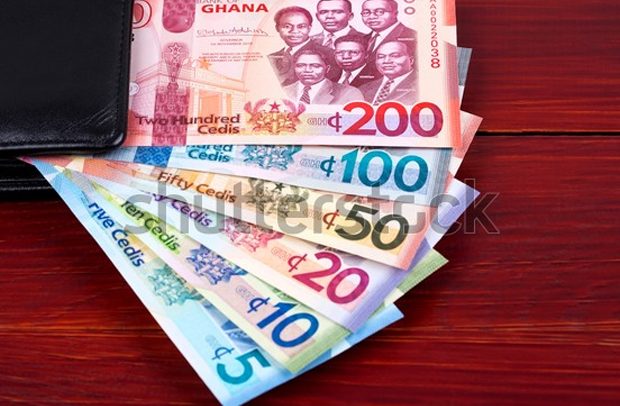
The Ghana Cedi has emerged as the worst-performing currency in West Africa and one of the weakest on the African continent after suffering a sharp decline against the United States dollar in recent weeks.
Analyses published by international financial observers, including Reuters using data from the London Stock Exchange Group (LSEG), showed that the Cedi had depreciated by 10.28 percent year-to-date as of early May 2026.
At the time of the assessment, the local currency was trading at 11.36 Cedis to the dollar (but now at GH¢11.61), with analysts warning that the downward trend was likely to continue due to sustained foreign exchange demand pressures.
The Reuters analysis attributed the Cedi’s weakening largely to persistent corporate demand for foreign currency, particularly from companies operating in the energy sector.
“Ghana’s Cedi is being dragged down by persistent corporate foreign-currency demand, particularly from the energy sector,” the report stated.
The prediction of further depreciation has since materialised, with the Cedi ending trading last week at about GH¢11.61 to the dollar, deepening concerns about the currency’s stability and the broader impact on the economy.
The Cedi is among nine currencies used within the West African sub-region, including the CFA franc shared by eight francophone countries.
However, among all regional currencies, Ghana’s currency has recorded the steepest decline so far this year.
Its performance also places it among Africa’s weakest currencies in 2026, alongside the Libyan dinar, which reportedly recorded a depreciation of more than 17 per cent against the dollar during the same period.
The continued slide of the Cedi comes despite recent improvements in some of the country’s key macroeconomic indicators, including a significant reduction in inflation.
The development has raised fresh concerns among businesses and consumers, many of whom say prices of goods and services remain high despite the easing inflationary pressures.
Traders and importers continue to pay far above official market rates to access foreign exchange, a situation analysts say is contributing to increased costs of imported goods and sustained pressure on consumer prices.
According to market watchers, growing demand for dollars from importers and corporate institutions continues to outweigh supply on the foreign exchange market, worsening the cedi’s decline.
Reuters concluded that the local currency remains on a “depreciating path” as traders expect demand for foreign exchange to remain elevated in the coming weeks.
A Business Desk Report