
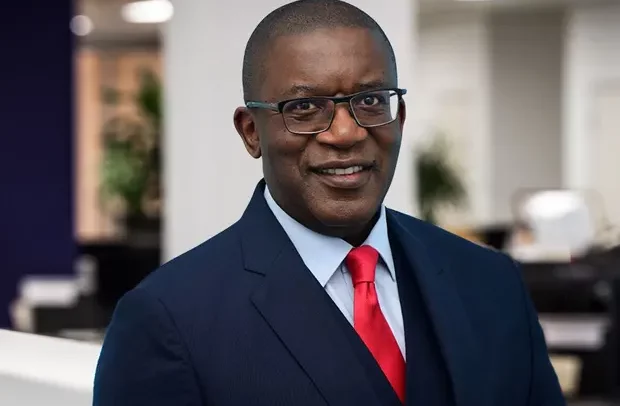
Solomon Asamoah
Details have emerged that a Memorandum of Understanding (MoU) had been signed between the sponsors of the Sky Train project and the Ministry of Railway Development on February 22, 2018, to facilitate the development of a pre-feasibility study for a significant investment in the Accra Sky Train project.
Documents admitted in evidence also point to the fact that the Ghana Infrastructure Investment Fund (GIIF) became involved with the Sky Train project after the pre-feasibility study had been concluded by a consortium spearheading the project.
The prosecution’s second witness, Kofi Boakye, a former member of the board of GIIF and an acting Secretary to the Board, had denied the involvement of GIIF in the project, indicating that “at no point in time was an approval given by the board that GIIF should participate in the Sky Train project.”
However, Victoria Barth, counsel for Mr. Asamoah, referenced a document which is already in evidence where the then CEO told the board that “after the pre-feasibility was concluded, and following several months of engagement in the project, the Ghana Infrastructure Investment Fund (GIIF), a body corporate wholly owned by the Republic of Ghana and established pursuant to the Ghana Infrastructure Investment Act, 2014 (Act 877) joined the project, as the local project development partner and anchor equity investor.”
Although the witness admitted this, he claimed the board of GIIF never gave a formal approval that GIIF partakes in this project.
“A presentation had been made to IC (Investment and Finance Committee) and IC had directed management to return with an investment memo on the Sky Train project for it to be considered by the committee and recommendation made to the board. The IC did not recommend to the board that it participates or joins the Sky Train project,” the witness further claimed.
The lawyer then pointed out to the witness that at the time Mr. Asamoah provided the update on the Sky Train Consortium, neither him nor any board member objected to GIIF’s participating in the Sky Train project.
The witness, however, claimed that the board members raised their concerns about GIFF’s participation in the consortium during an emergency meeting.
His attention was then drawn to the fact that the said emergency meeting was in November 2019, nine months after the CEO had updated the board on the status of the Sky Train project.
“Is it your case that between February 5, 2019 when the update in exhibit 28A was provided to all board members, none of the board members expressed any concerns or whatsoever until nine months later when an emergency meeting was called in exhibit 6?” the lawyer asked.
Mr. Boakye, in his response, said “on the contrary, members had always asked for updates on the Sky Train project from the CEO,” adding that the emergency meeting was held when the need arose for more information on the project.
Mrs. Barth also pointed the witness to a portion of the minutes of the meeting which he recorded as the Acting Secretary, where he recorded Mr. Asamoah’s reference to the board approval for the Sky Train project.
“You also recorded that he had informed the board that there was an MoU to be executed following that approval. Is that correct?” the lawyer asked.
The witness answered in the affirmative, stating, “that is correct.”
Again, the defence lawyer pointed to another paragraph in the minutes recorded by the witness where Mr. Asamoah was invited by the board chairman to update the board on the Sky Train project and his recent visit to South Africa.
In the said minute, Mr. Asamoah informed the meeting that “after the Memorandum of Understanding (MoU) was signed last year, the terms of reference was prepared and the concession agreement was drafted having been negotiated with the Ministry of Finance (MoF), Attorney General’s Office and Ministry of Railway Development.”
It continued that “the concession agreement was signed in South Africa on November 12, 2019 at a signing ceremony with the President of the Republic of Ghana present.”
When Mr. Boakye was asked if he agreed he captured that in the board’s minutes, he answered “my Lady, that is correct… This meeting had been called because the CEO had travelled without notice to the board, and upon his return the chairman called for this emergency meeting.”
Meanwhile, details have also emerged that Solomon Asamoah had informed the GIIF board about the existence of exceptional circumstances under the exception process, pursuant to section 40(1)(a) of the Public Procurement Act was applicable to the Sky Train project.
The witness, however, indicated that Mr. Asamoah had no capacity to make such an emphatic statement.
When he was asked whether he had drawn Mr. Asamoah’s attention to the fact that he had exceeded his mandate, the witness said in so far as the Sky Train project remained a pipeline project, it was only appropriate to wait for the proper documentation to come before the Investment Committee.
By Gibril Abdul Razak