

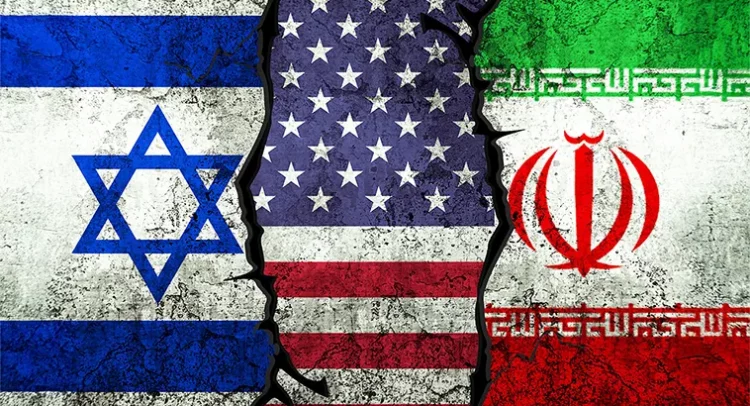
The ongoing war in the Middle East has introduced many Ghanaians to the complex subject of geopolitics.
Many hardly bothered themselves until now about happenings beyond the country. For such simple-minded persons, global issues were the preserves of the academics. Not so any longer when the impact of global issues such as the breaches of international law are casting long shadows on the rest of the world; the invasion of Ukraine by Russia and now the ongoing war in the Middle East and their effects are typical examples.
The reality of geopolitics and the interconnectivity of the world have rendered nonsensical the position by some politicians when they said that what happens in one part of the world cannot impact us in Ghana, that suited their electoral objective at the time.
We bet it, they can no longer say that again.
Today, local social media posts are following the Middle East conflict fervently, not ignoring as they do the flip-flopping US President Donald Trump and the impact of this shortcoming on the world price of crude oil.
The fluctuating price of crude oil as the international market responds to developments on the warfront, including remarks by the major players, is a cause for concern.
From Trump’s announcement that the Iranians are engaged in discussions with him and the latter denying this, to a postponement of a so-called bombardment of the Iranian energy infrastructure, all impact the price of crude.
Ghanaians, like their counterparts elsewhere, were anxious when Donald Trump gave the Iranians a 48-hour ultimatum to open up the Strait of Hormuz or have their energy infrastructure obliterated. That never came to pass when true to his nature the US President postponed the attack by five days, as according to him productive talks were ongoing between him and the Persians. The price of crude oil reacted immediately.
In the light of the precipice, the world has been pushed to farsightedness, as some countries have triggered measures to avoid the catastrophic fallout from a further escalation of the conflict.
Some countries in Asia have curtailed power consumption and pruning of remunerations of public salaries in anticipation of a long drawn war in the Middle East.
With Iran not showing any appetite for a ceasefire and Israel fighting to cut off Southern Lebanon from the rest of the country in an ongoing war with Hezbollah, tomorrow is difficult to tell.
A threat of the obliteration of the energy infrastructure of Iran by the US while simultaneously hinting of winding down the offense against Iran, even as the latter remains recalcitrant, makes the situation murky and making forecasts for the end of hostilities difficult if not impossible.
Ghanaians need to know what arrangements are in place to cushion us against the worst case scenario. This is not the time for political gimmicks because anything can happen. Let us not be caught napping. A word to the wise is enough.