
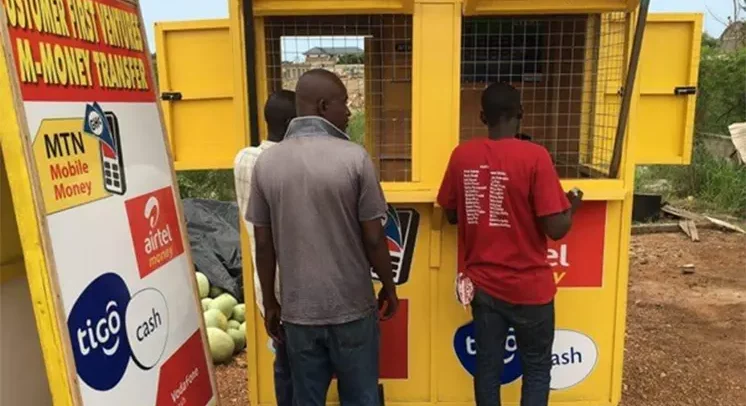
From the introduction of the Branchless Banking Guidelines in 2008, which paved the way for the establishment of Ghana’s first mobile money service, to the widespread adoption and confidence seen today, the evolution of mobile money in Ghana has been truly remarkable.
What was once met with scepticism by many has transformed into one of the country’s most trusted and indispensable financial tools. Today, it is uncommon to find an individual without a mobile money account, which highlights the significant role the service plays in everyday life.
Mobile money has evolved beyond a simple payment platform to become a vital financial ecosystem for millions of Ghanaians. For many individuals, particularly those operating within the informal sector and small and medium-sized enterprises (SMEs), it serves as a primary channel for savings and financial transactions. More importantly, collaborations between mobile money operators and duly licensed financial institutions have expanded access to critical financial services, bringing banking solutions closer to the underserved population.
Through simple USSD-enabled platforms, users can now conveniently access a wide range of financial products, including credit facilities, investment opportunities, pension schemes, and insurance services. These innovations have significantly enhanced financial inclusion, offering a secure and accessible alternative to the traditional practice of keeping cash at home. As a result, Ghanaians can now manage their finances more efficiently, conveniently, and confidently.
The impact of these developments extends far beyond individual users. Mobile money has become a powerful catalyst for economic growth, entrepreneurship, and job creation across the country. For instance, market traders can access short-term credit at the start of the week to finance their business operations and repay the loans from their sales proceeds by week’s end. This does not only enable them to generate income and expand their businesses but also helps them build a credit history, improving their eligibility for larger financing opportunities in the future.
Furthermore, the profits generated from these business activities can be seamlessly invested in instruments such as Treasury Bills through the same mobile money channels. This has provided users with a convenient avenue to grow their wealth and build financial resilience against unforeseen circumstances.
In this way, mobile money is facilitating transactions, empowering individuals, strengthening livelihoods, and contributing meaningfully to Ghana’s broader economic development.
While mobile money and other digital financial services have created unprecedented opportunities for financial inclusion, savings, and investment, several challenges continue to impede their full potential.
Addressing these obstacles requires a coordinated effort among key stakeholders, including consumers, service providers, regulators, and the government. Only through collective action can Ghana build a secure, inclusive, and resilient digital financial ecosystem.
One of the most significant barriers to the adoption of digital financial services remains limited digital financial literacy. Although millions of Ghanaians now access financial services through their mobile phones, many users still lack adequate knowledge of how to safely navigate digital platforms.
This knowledge gap has contributed to unsafe practices, such as sharing mobile money Personal Identification Numbers (PINs) with agents, friends, or family members. Such actions expose users to fraud and unauthorised access to their funds, undermining confidence in digital financial services.
Compounding this challenge is the growing threat of digital fraud and cybersecurity breaches. Ghana’s digital financial landscape has witnessed a shift from traditional social engineering scams to more sophisticated forms of deception targeting mobile money users. Fraudsters now deploy a range of techniques, including phishing, smishing, and vishing. While phishing typically involves fraudulent emails designed to trick individuals into revealing sensitive information, smishing uses deceptive text messages, and vishing relies on voice calls to achieve the same objective.
These tactics are particularly effective against low-income earners and first-time digital finance users, who often rely heavily on mobile-based financial services. The most common strategy employed by fraudsters involves impersonating representatives of mobile network operators or financial institutions.
Through phone calls or text messages, they create a sense of urgency or legitimacy, convincing unsuspecting victims to disclose sensitive information such as their PINs, one-time passwords, or account details. Once this information is obtained, fraudsters gain unauthorised access to victims’ accounts and funds.
As digital financial services continue to expand, strengthening consumer protection and awareness must become a national priority. Service providers should intensify customer education efforts by issuing regular reminders and security alerts across their platforms. Financial institutions and mobile network operators must also invest in more robust fraud detection and prevention mechanisms to safeguard users from emerging cyber threats.
The role of regulators and policymakers is critically inevitable. Sustained public education campaigns, particularly in rural and peri-urban communities, can help bridge the digital literacy gap. They can further empower users to recognize and respond appropriately to fraudulent schemes. Such initiatives should focus on promoting safe digital finance practices and raising awareness about evolving fraud techniques.
Consumers, however, remain the first line of defense. Users must exercise caution when receiving unsolicited calls, text messages, or offers claiming to originate from service providers. They should never disclose their PINs, passwords, or other confidential information to anyone, regardless of the perceived legitimacy of the request. Verifying communications through official channels before taking any action can significantly reduce the risk of fraud.
Ultimately, the long-term success of Ghana’s digital financial ecosystem will depend on the collective commitment of all stakeholders to promote digital literacy, strengthen cybersecurity, and foster a culture of vigilance. This collaboration can easily translate into the creation of a safer and more trusted digital financial environment that enables citizens to fully benefit from the opportunities offered by digital finance and micro-investing.
Mobile money has transformed Ghana’s financial landscape, evolving from a simple payment platform into a powerful tool for financial inclusion, savings, investment, and economic empowerment. Through innovative digital financial services, millions of Ghanaians now have unprecedented access to credit, insurance, pensions, and investment opportunities directly from their mobile phones. However, realizing the full benefits of this digital revolution requires addressing persistent challenges such as low digital financial literacy and rising cyber fraud. It will take strengthening consumer education, enhancing cybersecurity measures, and fostering collaboration among regulators, service providers, and consumers for Ghana to build a more secure and inclusive digital financial ecosystem. If these efforts are sustained, mobile money and micro-investing will continue to empower individuals and drive the country’s long-term economic growth and financial resilience.
By Mark Anthony Tayi Kodwo & Emmanuella Ewurakua Hutchful