
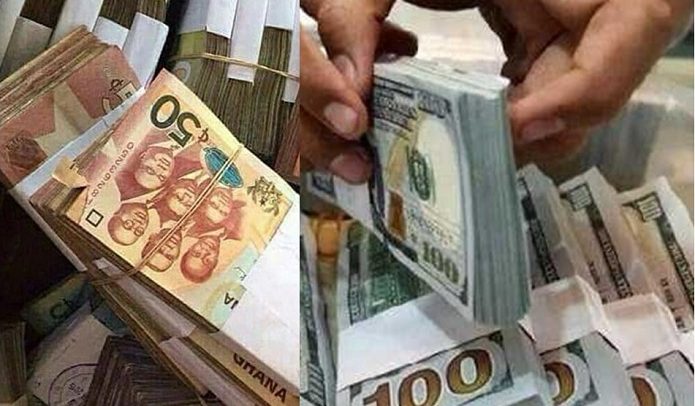
The Cedi depreciated by 8.4% against the US dollar during the first five months of 2026, higher than the 6.6% depreciation recorded over the same period in 2025
The data contained in the May 2026 Economic and Financial Summary released by the Bank of Ghana (BoG) shows that the Cedi weakened from an average mid-rate of 10.95 to the dollar in January to 11.4125 by mid-May 2026 despite improvements in several key macroeconomic indicators.
Some market players have linked the pressure to increased demand from energy sector players seeking foreign exchange to finance crude oil imports, finished petroleum products and payments to power producers.
The currency came under pressure early in the year, recording a year-to-date depreciation of 4.6 percent in January before briefly recovering in February, still declining despite relatively strong external fundamentals while others believe the challenge is largely due to inadequate dollar supply to match demand from businesses.
However, the cedi resumed its downward trend in March and continued weakening steadily through April and May unlike the sharp volatility witnessed in 2025, the 2026 depreciation pattern has been more gradual and sustained.
The report also stated that Ghana recorded a trade surplus of 5.28 billion dollars as of April 2026, supported by strong gold and oil export earnings with Gross International Reserves at $14.42 billion in May 2026, equivalent to about six months of import cover, while inflation eased sharply to 3.4 percent in April from 18.4 percent a year earlier.
Market watchers believe that the sustained pressure on the currency despite improving macroeconomic conditions suggests that factors such as capital outflows, portfolio adjustments and investor sentiment may be playing a bigger role in driving foreign exchange market dynamics.
Financial experts say if the exchange rate pressures persist over the coming months, it could affect import costs, inflation expectations and planning.
By Ebenezer K. Amponsah