
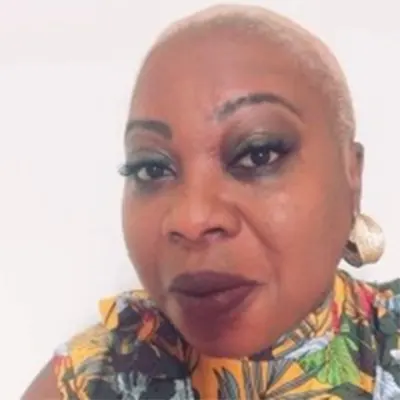
The writer
For decades, Africa has been treated as a source of raw materials and a market for Western goods rather than a continent capable of leading its own economic destiny. The Trump administration, unlike previous U.S. governments, largely ignored Africa in its foreign policy, highlighting Africa’s longstanding reliance on external actors for trade, aid, and economic stability.
However, this shift in U.S. engagement exposed a deeper issue: Africa’s economic model, largely dictated by institutions like the International Monetary Fund (IMF) and World Bank, has kept the continent dependent on foreign capital and resources rather than fostering self-sufficiency and industrialisation.
Today, with the collapse of IMF-led financial policies and increasing instability in the global market, African nations face a critical opportunity to redefine their economic path. The IMF’s failures have left many African economies in cycles of debt, unable to build sustainable industries or invest in long-term growth.
The debt burden, coupled with structural adjustment programmes that prioritise foreign debt repayment over local development, has created a system where African nations are forced to export raw materials cheaply while importing expensive finished goods.
A Broken System: The IMF & Western Financial Control
The IMF’s approach to African economies has been deeply flawed. Countries that have relied on IMF loans have seen their social services cut, local industries weakened, and sovereignty compromised. The IMF often imposes austerity measures, reducing public spending, privatising essential services, and increasing taxes and all of which disproportionately harm working-class communities, particularly women.
Rather than supporting industrialisation or value addition within Africa, the IMF and other Western financial institutions have promoted extractive economies, where Africa’s resources such as gold, coltan, cocoa, oil are mined, processed abroad, and then sold back to Africa at inflated prices. This model keeps Africa trapped in economic servitude, unable to break free from neocolonial control.
However, with the global financial order shifting, Africa is in a position to forge a new economic path; one based on self-sufficiency, innovation, and African-led solutions.
The New World of Work: African-Led Solutions
Africa has the resources, talent, and knowledge to transform its economies from being raw material exporters to producers of globally competitive brands. The key lies in creating and enhancing African value chains that produce goods for both local and global markets.
- Indigenous Plant Research & Natural Resource Innovation
Africa’s biodiversity is one of its greatest untapped assets. The global wellness industry is worth over $35 billion, yet Africa benefits minimally despite being home to medicinal plants, natural oils, and skincare ingredients that fuel this industry. Instead of allowing Western companies to patent and profit from Africa’s natural resources, African researchers, entrepreneurs, and governments must invest in:
- Research & Development (R&D): Creating laboratories and innovation hubs to study and refine African plant-based wellness products.
- Standards & Certification: Ensuring African products meet international quality and safety standards, making them competitive in global markets.
- Intellectual Property Rights: Protecting African resources from exploitation through patents and trademarks.
By developing African-owned wellness and beauty brands, the continent can shift from being a supplier of raw ingredients to a leader in the global skincare and health industries.
- Building Production Hubs & Market Access
One of Africa’s biggest economic challenges is its lack of production infrastructure. Many African countries export raw materials only to buy back finished products at a premium. This must change. African countries need to:
- Invest in local manufacturing to produce finished goods from Africa’s raw materials.
- Create regional production hubs that specialise in different industries—textiles, agriculture, cosmetics, and technology.
- Develop e-commerce platforms and global distribution networks that allow African businesses to sell directly to international consumers, bypassing Western middlemen.
If Africa can process its own raw materials, it will generate millions of jobs, increase GDP, and strengthen intra-African trade under the African Continental Free Trade Agreement (AfCFTA).
- Women-Led Social Enterprises & Economic Empowerment
African women have historically been the backbone of African economies, running businesses, leading agricultural production, and sustaining local markets. Yet, they continue to face economic barriers, from limited access to credit to exclusion from major industries.
A sustainable way forward for Africa must center on women’s economic leadership through:
- Women’s Credit Unions & Financial Cooperatives: These will provide direct funding and low-interest loans to women entrepreneurs, freeing them from exploitative banks.
- Business Incubation & Training Programmes: Supporting women-led startups in sectors such as agribusiness, fashion, beauty, and technology.
- Agro-Tech & Value Addition Initiatives: Encouraging women to move beyond small-scale farming and into agro-processing and export businesses.
By investing in women’s financial independence and business skills, Africa can unlock economic potential and ensure wealth is distributed at the community level.
Moving Beyond Dependency: A Pan-African Future
To break free from Western financial control and IMF-driven policies, Africa needs to adopt a Pan-African economic approach that prioritises:
- Standardisation & Market Integration
- Establishing African-led certification bodies to ensure products meet international standards.
- Strengthening regional trade agreements to make African products more competitive globally.
- Investing in infrastructure and logistics to connect African markets efficiently.
- Social Innovation & Indigenous Knowledge
- Reviving traditional knowledge systems in agriculture, health, and industry.
- Supporting research on African technologies and inventions that can drive local economies.
- Promoting social enterprises that focus on sustainability and cultural preservation.
- Economic Independence Through Value Addition
- Encouraging governments to implement policies that require local processing of natural resources before export.
- Developing African brands in skincare, wellness, fashion, and food that can compete internationally.
- Building strong export networks to connect African businesses to global markets.
The Journey Ahead: Women, Innovation & Self-Reliance
The future of Africa’s economic success depends on embracing self-reliance and rejecting dependency. With the IMF model collapsing, it is clear that Africa cannot continue following Western financial prescriptions. The time has come to prioritize African-led solutions by:
- Empowering women through social enterprises and financial independence.
- Investing in local production, indigenous knowledge, and innovation.
- Strengthening intra-African trade and building strong Pan-African economies.
If Africa moves in this direction, it will not only survive but thrive. By creating sustainable jobs, transforming indigenous plants into billion-dollar industries, and promoting African brands, Africa will reclaim control over its economic destiny—not as a supplier of raw materials but as a global powerhouse of innovation and enterprise.
Africa’s future is in African hands. For too long we have accepted an identity of being victims. That narrative or identity is something we reject at Social Innovation Africa. While we do not deny the injustices of the past we are convinced that our greatest era is upon us.
Like other nations who started from nothing we too can rise and be intentional about our development. Hand in hand with our Diaspora communities who are an essential part of this trajectory.
The world has changed. Africa must rise to the challenge. Africa must lead.
Anatu Ben-Lawal is a Princess and the founder of Social Innovation Africa-. SIA is a think tank & project implementer passionate about designing new governance systems and models in agricultural food systems for the new Africa post-aid.
A passionate agro-ecologist and innovator who cites agriculture as her first love she currently leads a movement of rural women farmers across the north of Ghana.
Her new show: The Earth Priestess is out later this year.
By Anatu Ben-Lawal