
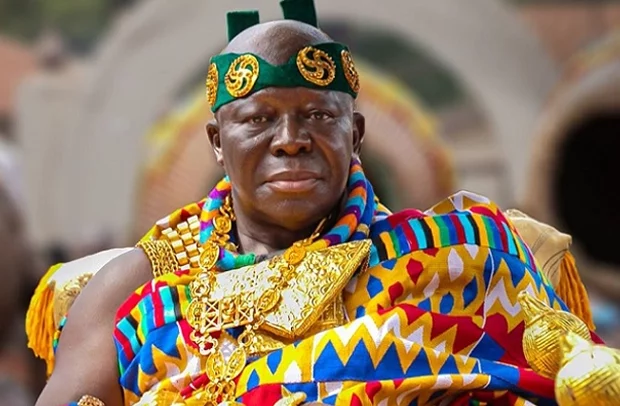
Otumfuo Osei Tutu II
“Like vanishing dew,
a passing apparition
or the sudden flash
of lightning — already gone —
thus should one regard one’s self”- Ikkyu, Japanese Buddhist Poet Feb. 1, 1394 – Dec. 12, 1481.
What better poetic expression about the ephemeralness of life and all there are within it – from wealth to appointments in governments – than the foregone.
Unfortunately, man is easily consumed by the glitters of life, with an amazing propensity to develop an erroneous feeling of being superhuman, the reality of mortality lost to them, especially at the zenith of their affluence or political power or authority.
Where are they who started it all? They fought for our independence from the colonial authorities and ruled us until their time was up to exit, even when they were unready for that transition to the unknown. Gone are they, hardly remembered by even those they shared abodes or beds with.
The Asantehene, Otumfuo Osei Tutu II, was constrained to remind government appointees about the ephemeralness of appointments when he opened up on the involvement of appointees in the Sampa chieftaincy dispute against a court decision and, by his extension, his mediatory role in the matter which was ignited once more recently.
Such appointees, he stated, have power and so think they can do as they please, adding that a time will come when that privilege will be no more at their disposal.
It was a rare show of disappointment in government appointees and, by extension, the appointing authority by the King who has over the years contributed immensely to national development.
He is expectedly not pleased with the conduct of relevant government appointees in the matter of the Sampa chieftaincy brouhaha, even after a court ruling and the registration of the rightful chief in the register of the National House of Chiefs.
Before coming out vociferously, he definitely engaged with relevant stakeholders indoors, but the appointees out of disrespect decided to do as they are doing in the matter.
Nobody can show such disrespect to the Ashanti King when they are not being encouraged to do so by a superior responsible for hiring and firing.
For a traditional authority who is credited with intervening when under the previous Mahama administration the International Monetary Fund (IMF) was reluctant to grant an extended facility to Ghana, he does not deserve discourteous gesture. When Mahama lost the election which sent him into hibernation for eight years, it was this King whose good counsel obviated what could have been a nasty political incident in the country. He deserves deference from us all.
The insecurity persisting in Sampa including the recorded fatality and destruction of properties is attributable to the conduct of the appointees in relation to the subject matter under review.
He took exception to what Ghanaians safe the appointees themselves regard as the wanton hubris being exhibited by government appointees in the offices they hold.
It is just fifteen months into the incumbent government’s tenure and the level of misconduct by some of its appointees prompts questions about their understanding of life. Tomorrow will come and like those before them, they too will exit the offices they hold.
The attitude of such appointees is in sharp contrast to their humility when they were foraging for votes.
Let them be guided by the contents of the Japanese Buddhist poet in the opening paragraph and the admonition of the Asantehene so they would be conscious about the fact that exiting the offices they occupy today is as constant as the Northern Star. Life, indeed, is a passing apparition.