
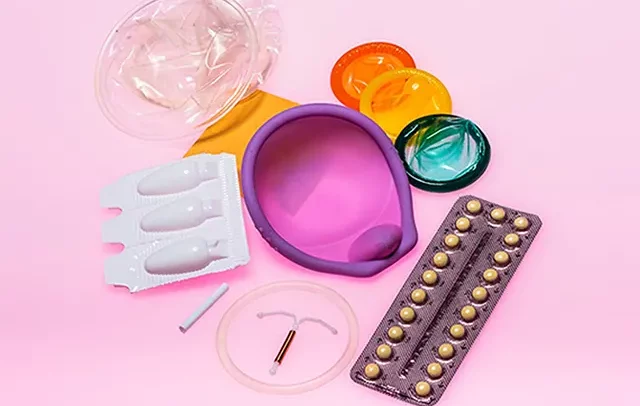
The country is facing an urgent family planning commodity crisis following the exit of USAID, which previously supplied 45% of the country’s contraceptives, as stakeholders meet to chart a sustainable way forward.
Speaking at a High-Level Stakeholders’ Summit convened by MSI Reproductive Choices Ghana with support from UNFPA, Dr Doris Amarteifio, Programmes Manager, Family Planning, Ghana Health Service (GHS) said the withdrawal created a major funding gap.
Before the exit, support stood at USAID 45%, UNFPA 40%, Government of Ghana 10% and WAHO 5%. Government has since increased its share from 5% to 20% for 2025, with UNFPA also stepping in, but stock levels remain critically low.
“We have 11 commodities that partners procure for us. Our minimum stock level is six months, but some commodities are less than one month,” Dr. Amarteifio stated. “Depot-Provera currently stands at 0.11 months, female condoms at 2 months, and male condoms, which are highly patronized, at 1.4 months. As we speak, that figure keeps going down.”
The summit brought together about 50 senior participants from government, development partners, civil society, the private sector, academia, and traditional and religious leadership to agree on practical, time-bound actions to strengthen financing, coordination, and commodity security.
The meeting also created the platform to share findings of a new research on income flows from family planning services and private sector engagement with participants.
Presenting the findings, Project Consultant, Dr. Godfred Bonnah Nkansah, said the results showed that facilities collect small fees for service delivery, but policies on revenue sharing are not being followed. Per policy, 50% should stay at facility level, with 10% each to district and regional levels and 30% to national level.
“In practice, facilities are not adhering to that arrangement, so we don’t really know how the money is utilised,” Dr. Nkansah said, warning that the country could be losing substantial funds.
He added that some facilities are charging over 300% above the Ghana Health Service (GHS) cap.
To address the gaps, the research recommended the establishment of a domestic fund, a digital tracking system from facility to national level, and local production of family planning commodities.
The research also urged Ghanaians to enroll on the National Health Insurance Scheme (NHIS), noting that while commodities are free, service delivery costs can be reimbursed through NHIS to sustain facilities.
“Without a sustainable funding mechanism, commodities, transport and consumables will not get to the last mile,” Dr. Nkansah said.
The Ghana Health Service and Ministry of Health said they will investigate reports of overcharging, stressing that family planning commodities are supposed to be issued free of charge.
A Daily Guide Report