
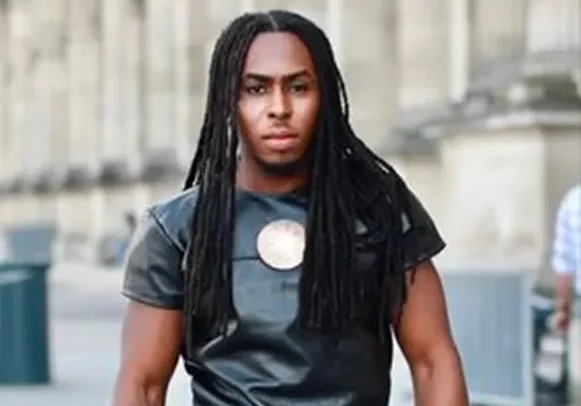
Kelvin Vincent
RENOWNED STYLIST, Kelvin Vincent, has called for a transformative shift in the Ghanaian fashion industry, urging celebrities to move away from requesting free items and instead sponsor local creatives to produce custom pieces.
In a recent video posted on his Instagram page, Vincent emphasised that many creatives currently do not benefit from collaborations. “Collaborations only work when both sides benefit. Right now, creatives are often left at a loss,” he stated.
With over a decade of experience in the industry across Africa, he has observed a concerning trend that he believes must change. He pointed out that many creatives invest significant time, money, and skill into their work, yet their returns often fall short.
“Sometimes they even have to chase for basic credit after their work has already been used. That’s not how it should be,” he said.
While acknowledging the value of exposure, he stressed that it does not always equate to tangible benefits, especially in a market that does not operate like European or American pop culture, where a single post can sell out a collection overnight.
To elevate the standards of red carpets and visual culture, Vincent proposed several strategies to improve collaboration between celebrities and creatives.
Firstly, Transform Campaigns: Rather than simply posting one look and tagging the designer, celebrities should turn outfits into stories. “Give them a teaser, a review, a moment—a look,” he advised.
Verbal Recognition: Celebrities should name the designer verbally, as this carries more weight than a mere tag buried in a caption.
Consistency: Wearing the designer’s pieces multiple times can establish them as a signature collaborator and enhance visibility across various platforms.
Investment: Celebrities should invest in designers’ brands. “It’s not easy to create dresses for free,” Vincent noted. If a celebrity genuinely believes in a designer’s work, they should consider purchasing pieces, creating collections, or even funding production. “There are incredible designers in Africa ready to deliver world-class work,” he said.
However, he added that “creators are not just service providers; when they feel unsupported and undervalued, it reflects in their work. To achieve better red carpet moments, we need better structures in place, and the results will speak for themselves.”
By Prince Fiifi Yorke