
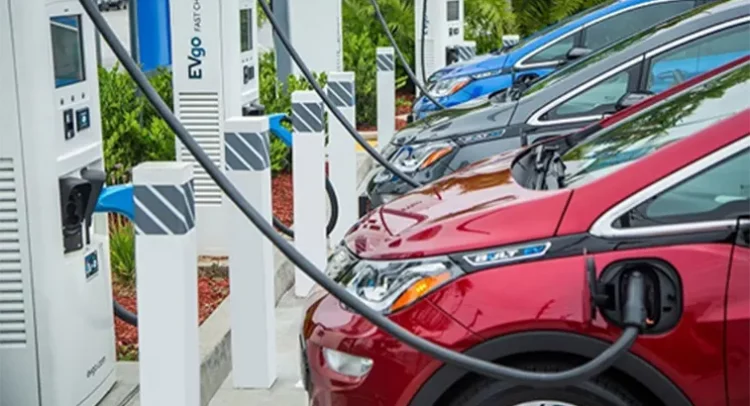
The Ghana Chamber of Clean Energy (GCCE) has lauded the introduction of a dedicated electricity tariff for public electric vehicle (EV) charging by the Public Utilities Regulatory Commission (PURC), describing it as a major step toward developing Ghana’s electric mobility sector.
The newly approved tariff, set at GH¢2.016 per kilowatt-hour (kWh) and effective April 1, marks the first time Ghana has established a specific pricing structure for EV charging.
According to the Chamber, the move addresses a long-standing gap it had repeatedly highlighted in its policy advocacy. In its recent report, Ghana Clean Transportation Outlook 2026, GCCE emphasised the importance of a clearly defined tariff category as a foundation for building a viable EV charging infrastructure market.
EV charging operators prior to this were billed under conventional commercial or industrial electricity tariffs structures, which the Chamber says did not reflect the unique operational demands of the business.
GCCE noted that the introduction of a dedicated tariff brings regulatory clarity, which is crucial for attracting investment into the sector. EV charging infrastructure typically requires significant upfront capital and long-term planning, making predictable pricing frameworks essential for assessing project viability.
The Chamber explained that a transparent tariff system will enable operators and financiers to make more informed investment decisions, while also supporting the expansion of charging networks across the country.
It added that the policy will help lay the groundwork for a nationwide charging ecosystem by giving operators clearer insight into operating costs and offering consumers better expectations around charging prices.
Such certainty, GCCE stressed, is particularly important in the early stages of the market, where infrastructure development must come ahead of widespread adoption of electric vehicles.
The Executive Director of GCCE, Seth Owusu-Mante, commented on the development and described the move as an important and major step toward building the institutional foundations for Ghana’s electric mobility market.
“Establishing a dedicated EV charging tariff is a practical and necessary step in creating a viable market for charging infrastructure, as it provides the regulatory clarity investors look for when considering long-term projects,” he said.
GCCE further indicated its commitment to working closely with key stakeholders, including the Ministry of Transport, the Ministry of Energy and Green Transition, financial institutions, and industry players, to strengthen Ghana’s EV ecosystem.
The Chamber said it would continue to advocate for policies that make it easier to do business in the sector, ensure sustainable returns for operators, and encourage broader adoption of electric mobility solutions nationwide.
By Vera Owusu Sarpong