

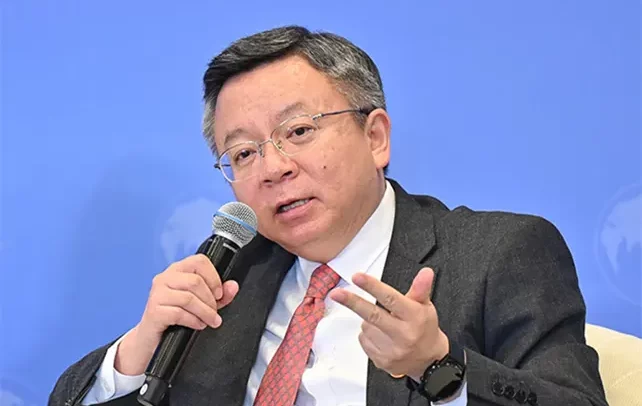
Mr. Bo Li
The Executive Board of the International Monetary Fund (IMF) has completed the fifth review of Ghana’s US$3 billion, 39-month Extended Credit Facility (ECF) arrangement, clearing the way for the immediate disbursement of about US$385 million (SDR 267.5 million).
The latest tranche brings Ghana’s total receipts under the IMF-supported programme to approximately US$2.8 billion.
In a statement following the Board’s decision, the Fund said Ghana’s reform programme is yielding positive results, after policy slippages recorded last year.
According to the statement, economic growth through September 2025 exceeded expectations, supported mainly by strong performance in the services and agriculture sectors.
The IMF said inflation has returned to the Bank of Ghana’s target range, while the external sector has strengthened, buoyed by robust gold and cocoa exports. International reserve accumulation surpassed programme targets, the cedi appreciated, and the country’s debt trajectory improved markedly.
IMF Deputy Managing Director, Bo Li, commended Ghana’s progress but underscored the need for sustained reforms to consolidate the gains made.
“Ghana’s performance under its ECF-supported reform programme has been generally satisfactory. Going forward, continued reform efforts remain essential to maintain macroeconomic stability and debt sustainability, while addressing longstanding structural vulnerabilities,” she said.
She stressed that strengthening domestic revenue mobilisation and streamlining primary expenditure are critical to sustaining fiscal discipline.
These efforts, she noted, must be backed by reforms to improve tax administration, expenditure control, arrears management, and the efficiency and governance of State-Owned Enterprises (SOEs).
The IMF also highlighted the need to decisively address challenges in the energy sector, particularly the accumulation of arrears, to contain fiscal risks.
While acknowledging progress in improving financial sector stability through ongoing bank recapitalisation, the Fund cautioned that vulnerabilities persist, especially among state-owned banks.
It called for stronger governance, full use of the bank resolution framework, contingency planning for undercapitalised banks, and robust supervisory strategies.
The IMF said the BoG had appropriately begun a cautious monetary easing cycle, adding that any further easing should be gradual and data-dependent. It also welcomed the introduction of a structured foreign exchange operations framework to smooth excessive market volatility and support reserve accumulation.
On fiscal policy, the Fund noted that Ghana’s 2026 budget is aligned with programme objectives and the new fiscal responsibility framework, while accommodating development and security needs.
However, it cautioned that successful implementation will depend on effective revenue mobilisation, expenditure rationalisation, and measures to protect vulnerable groups.
A Daily Guide Report