
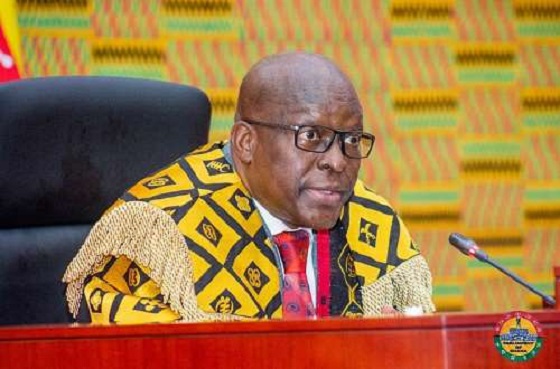
Alban Bagbin
Parliament has passed the Education Regulatory Bodies (National Teaching Council) Regulations, 2025, marking a significant shift in teacher training and certification in Ghana.
The newly approved Legislative Instrument (L.I.) introduces a major reform by integrating the teacher licensure examination into the final assessment of teacher trainees, effectively abolishing the need for a separate post-graduation licensure exam.
According to the report of the Committee on Subsidiary Legislation, the move is aimed at streamlining the certification process while ensuring that trainees are assessed comprehensively before entering the classroom.
Under the new regulations, teacher trainees in accredited institutions will now take the licensure component as part of their final examinations.
This means that successful candidates will graduate already qualified and licensed to practice, eliminating delays and repeated examination attempts that previously characterised the system.
The Committee noted that the reform is intended to reduce the burden on graduates, improve efficiency in teacher deployment, and maintain high professional standards within the education sector.
The report further emphasised that the integration of the licensure exams into the academic framework would ensure that institutions adequately prepare trainees throughout their period of study, rather than leaving licensure preparation to the post-graduation stage.
Additionally, the regulations provide a clearer framework for the accreditation, supervision, and regulation of teacher education institutions by the National Teaching Council (NTC), strengthening oversight and accountability in the training process.
Members of Parliament who contributed to the debate underscored the importance of the reforms in addressing longstanding challenges associated with teacher licensure, including high failure rates and delays in recruitment into the Ghana Education Service.
They expressed optimism that the new system would produce better-prepared teachers while aligning training outcomes with national education standards.
By Ernest Kofi Adu, Parliament House