
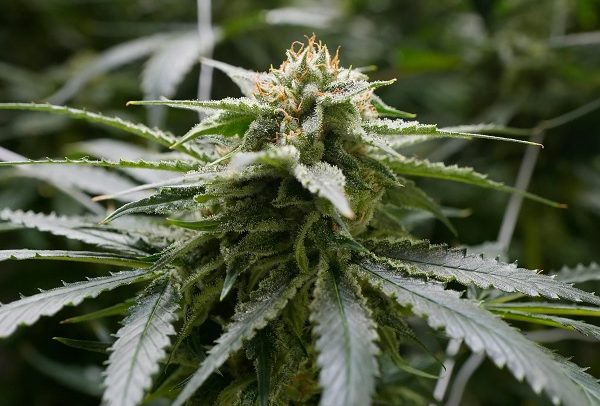
At long last, after debates over whether or not we should join the growing number of countries which have given legal status to the cannabis industry, the subject has been settled.
Ghana is now part of the worldwide comity of cannabis cultivators for industrial and medical use.
Earlier, information was that the Narcotics Control Commission (NACOC) was going to come out with modalities for the licensing of players in the industry; with hundreds of applications already received, the development under review came to us therefore as no surprise.
The interest exhibited by prospective players is unsurprising, the monetary prospects up for grabs being mouthwatering.
A business news headline in a leading daily about two bodies partnering to develop cannabis cultivation is indicative of the fact that all the major hurdles have been surmounted already.
While stating the foregone, we want to be assured that the fears about substance abuse allayed and that the acceptable tetrahydrocannabinol (THC) is adhered to.
That there is in place already a Chamber of Cannabis Industry with a president, is another layer of assurance that the coast is clear for clean operations.
A statement from NACOC regarding the number of companies registered so far and the licensing modalities will go a long way in addressing the concerns of curious Ghanaians who still harbour fears about whether effective regulations can check abuse and to have operations done within the parameters of the rules.
We also call on the relevant authorities to mount education on the operations of the industry so that ignorance is not feigned by persons who choose to deliberately flout the regulations.
The THC level of the stuff to be cultivated is another area of concern. How would this chemical level of the stuff be measured by the individual cultivator to avoid deliberate overdose?
It would be interesting how authorisation documents would be issued to prescription medical users of cannabis and shops to sell it on counter. Imagine walking into licensed cannabis pharmacy to purchase wee on prescription. Time, it is said, changes over the years. Many years ago, it would have been unheard of to even think that one day cannabis would be sold on licence to individuals or exported.
In a previous commentary on the subject, we did pose a question about the medicinal users. We wanted further education about which conditions would require the recommendation of cannabis and whether our doctors in pain management are primed for such prescriptions. Maybe a workshop by experts in cannabis medicinal use would be valuable under the circumstances.
We are in an unchartered landscape and ask that more work be done to make the new cannabis regime clearer and beneficial to individuals and the country at large.
Perhaps it is time that we took another look at the punishment meted out to unauthorised possession of cannabis.