
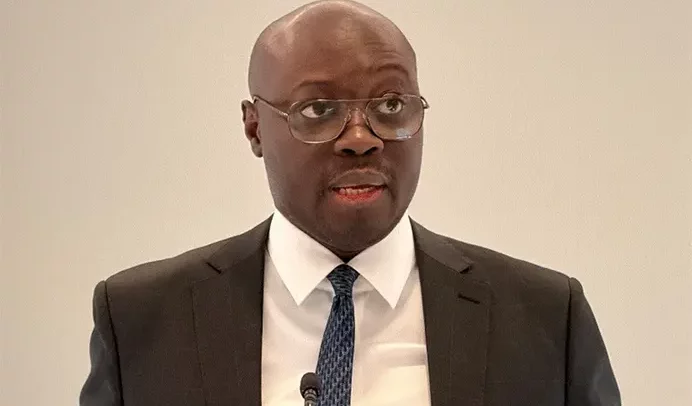
Dr. Cassiel Ato Forson
The Minister for Finance, Dr. Cassiel Ato Forson, is leading a high-level government delegation to Washington, D.C. for the April 2026 Spring Meetings of the International Monetary Fund and the World Bank Group.
The meetings, scheduled from April 13 to April 19, will bring together finance ministers, central bank governors and development partners from across the globe to deliberate on key economic challenges and strategies for sustainable growth.
Dr. Forson is accompanied by the Governor of the Bank of Ghana, Dr. Johnson Asiama, as well as senior officials from the Ministry of Finance and the central bank.
During the week-long meetings, the Ghanaian delegation will participate in high-level engagements, including bilateral discussions with IMF and World Bank management, investor briefings, ministerial sessions and the sovereign debt roundtable.
The Finance Minister is expected to use the platform to deepen Ghana’s partnerships with multilateral institutions, attract investment into key sectors of the economy, and advocate reforms toward a more inclusive and responsive global financial system that reflects the needs of developing economies.
The meetings will also attract participants from civil society organisations, academia and the private sector.
Some Members of Parliament, including the Chairman of Parliament’s Public Accounts Committee, Abena Osei Asare, are also expected to attend.
Ahead of the meetings, the Managing Director of the IMF, Kristalina Georgieva, warned that the global economy is facing renewed strain due to ongoing tensions in the Middle East.
She noted that the conflict has triggered a supply shock, pushing up global prices, particularly for oil. Brent crude, she said, rose sharply from $72 per barrel before the hostilities to a peak of $120, although prices have since moderated but remain elevated.
Ms Georgieva stressed that discussions at the Spring Meetings would focus on how countries can navigate the shock, protect economies and mitigate the impact on livelihoods through appropriate policy responses.
By Ebenezer K. Amponsah