
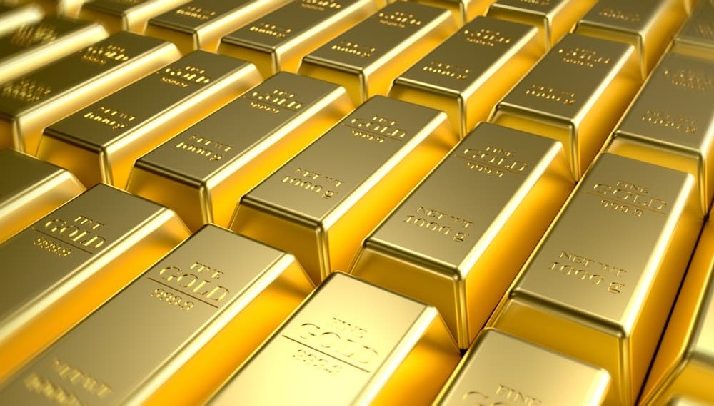
Ghana’s recent economic turnaround, which began in 2024, has been celebrated as a success story, with government officials touting a stronger cedi, lower inflation, backed by rising gold exports and favourable commodity prices.
But beneath these positive headlines lies a troubling reality: much of the foundation is built on the rapid expansion of illegal gold mining, known locally as ‘Galamsey,’ which is causing severe and lasting damage to the nation’s environment and public health.
A Shift in Gold Production
From 2020 to 2024, large-scale mining companies accounted for about 69% of Ghana’s gold production. In a dramatic shift, small-scale miners overtook these industrial giants in 2025, accounting for 52% of national gold output between January and September. This is puzzling, as the number of legally registered small-scale miners has dropped; only 35 new licenses were issued in 2025, while 278 were revoked in the same year. Also, the technology used by legal small-scale miners hasn’t changed, raising questions about where the extra gold is coming from.
The Role of the GHANA GOLDBOD
In April 2025, the government launched the GHANA GOLDBOD, a new institution designed to buy and export gold from small-scale miners to boost foreign exchange and strengthen national reserves. Although $279 million was allocated to GoldBod in the 2025 Budget, the Finance Ministry had not disbursed these funds as of late October. Yet, GoldBod reports record gold purchases from small-scale sources. Between January and October 2025, GoldBod and its predecessor, the Precious Minerals Marketing Company (PMMC), had purchased about 81.719 tonnes of gold.
For comparison, under the Bank of Ghana’s Gold Purchase Programme (2022–2024), average annual purchases were 19.6 tonnes. The BoG programme essentially performed the same function as GoldBod, but with strict traceability and sourcing only from licensed aggregators vetted through due diligence. GoldBod lacks such safeguards.
So, what explains this surge in gold purchases this year? The only logical explanation is that much of this gold is coming from illegal mining operations. This raises concerns about the adequacy of government funding to combat illegal mining. In 2025 and 2026 budgets, a paltry GH¢50m and GH¢150 million were allocated respectively for the fight against this menace.
A Surge in Illegal Mining
Evidence of illegal mining is mounting. In June 2025, the Minister for Transport revealed that over 200 excavators (heavy machinery not used by artisanal miners) were entering Ghana daily through Tema Port, with nearly 3,000 more expected by year’s end. As these imports rise, so does small-scale gold production, even as the number of licensed small-scale miners falls. This is a clear indication that small scale miners (including the illegal ones) are resorting to the use of industrial-scale type of machinery in their operations.
Environmental and Public Health Crisis
The consequences are dire. While the government celebrates increased gold exports and benefitting from favourable gold prices, Ghana’s environment is suffering. In June 2025, the Minister for Lands and Natural Resources reported that turbidity levels in major water bodies had reached alarming levels of between 5,000 and 12,000 Nephelometric Turbidity Units (NTU), far higher than acceptable threshold. Many cities and towns are now without clean drinking water because their main sources have been contaminated or shut down due to pollution from Galamsey activities.
No Traceability, No Accountability
Perhaps most concerning is that the GoldBod does not seem to have the traceability capacity yet for the gold it purchases. Without this technology, it risks legitimising illegal gold, and could be seen as effectively creating a state-sanctioned pathway for laundering Galamsey output. The economic gains being celebrated are, in reality, financed by the destruction of forests, rivers, rising public health crisis, and the country’s long-term development prospects.
A Call for Action
Behind every positive economic indicator lies a growing crisis: water insecurity, rising health risks, deforestation, and a shrinking future for sustainable development. Ghana risks sacrificing long-term sustainability for short-term economic gains. As the nation celebrates a stronger currency (which is not sustainable) and improved macroeconomic indicators, it must also reckon with the true cost: poisoned rivers, devastated forests, emboldened criminal networks, and the erosion of national well-being.
The choices are clear and urgent. Will Ghana continue down this destructive path, or will it choose to protect its environment and future generations? The time to act is now.
Anane Agyei, PhD